

In April 2026, the Abu Dhabi National Oil Company (ADNOC) publicly made headlines with a potential $1 billion deal to acquire Shell’s fuel retail network in South Africa, marking another bold step in its global expansion strategy. The agreement, currently in advanced talks, could see ADNOC take control of nearly 600 fuel stations, giving it a significant international footprint and around 10% market share in South Africa.
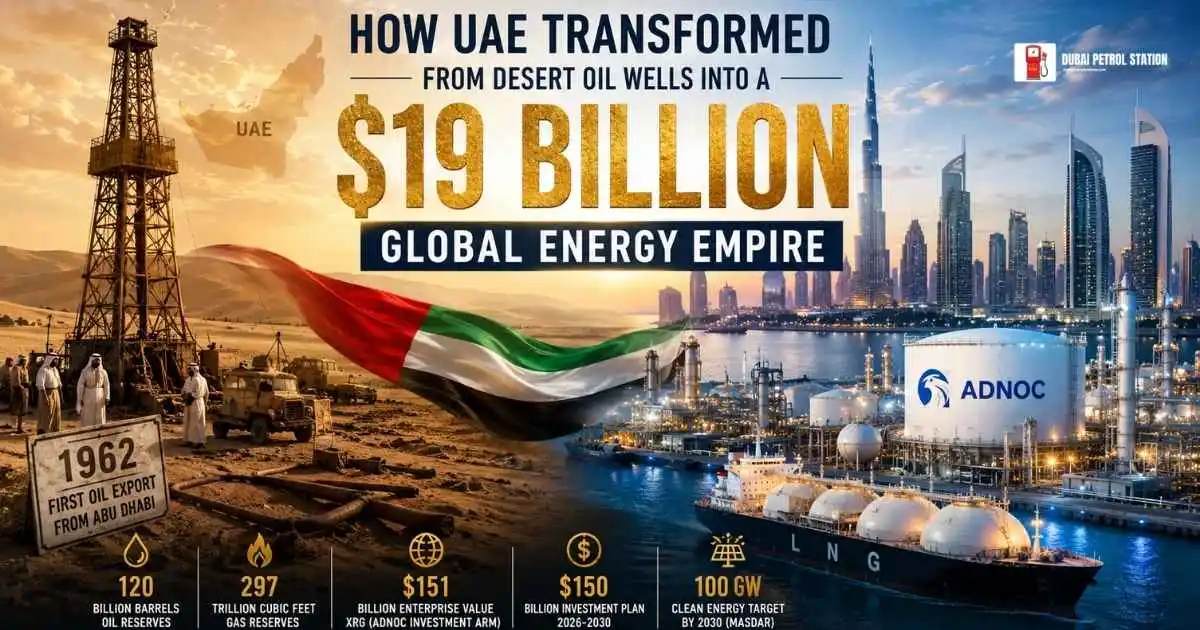
This move comes amid ADNOC’s broader $150 billion investment plan (2026–2030) aimed at strengthening energy security, expanding production, and diversifying into new markets.
While the deal is geographically distant, its ripple effects extend far beyond Africa, especially to Dubai’s energy ecosystem, which relies on regional collaboration and shared infrastructure. In this guide, we break down what the deal involves, why it matters, and how it could shape Dubai’s energy future in the coming decade.
What is ADNOC?
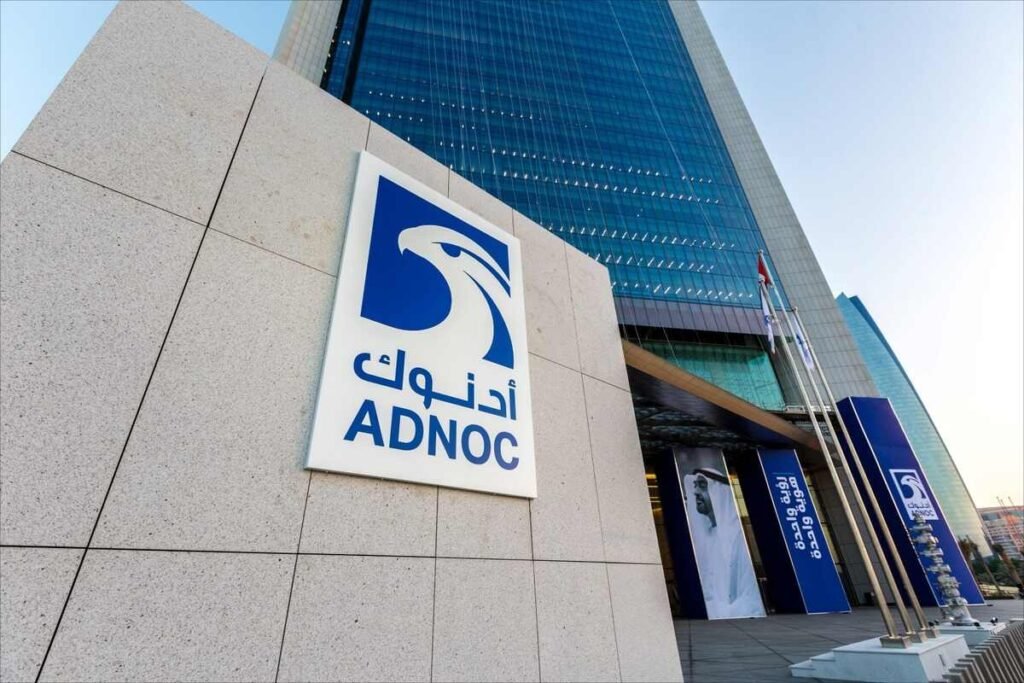
Abu Dhabi National Oil Company (ADNOC) is the UAE’s state-owned energy giant and one of the world’s leading oil producers. Founded in 1971, ADNOC plays a central role in:
- Managing UAE’s vast oil and gas reserves
- Producing roughly 4% of global oil supply
- Driving national economic growth through energy exports
- Investing heavily in renewables, hydrogen, and clean energy technologies
ADNOC is not just an oil company; it is evolving into a global energy and chemicals powerhouse, with investments spanning Europe, Asia, and Africa.
Details of the ADNOC’s $1 Billion Deal
| Key Factor | Details |
|---|---|
| Deal Value | ~$1 billion |
| Parties Involved | ADNOC & Shell |
| Timeline | Expected completion in 2026 (pending final agreement) |
| Type of Agreement | Acquisition (fuel retail network) |
| Geographic Scope | South Africa (approx. 600 fuel stations) |
Implications for Dubai’s Energy Future
Short-Term Impacts (1-3 Years)
Gas switch at Hassyan boosts efficiency, reducing emissions by enabling 100% cleaner fuel use soon. Expect stable power for Dubai’s growth, with Hassyan’s full 2.4 GW online by 2023 expansions.
Medium-Term Outlook (3-10 Years)
Supports Dubai’s grid reliability amid demand rise from AI/data centres, leveraging ADNOC’s gas self-sufficiency. Ties into UAE gas output growth to 15.6 million tonnes annually.
Sustainability Goals
Replaces coal with lower-carbon gas, advancing Net Zero 2050, ADNOC targets 25% GHG cut by 2030. Enables solar/nuclear integration via partners like EWEC.
Read How ADNOC’s $150 Billion Investment is Transforming the UAE Petroleum Industry by 2027
Economic Diversification (Vision 2030)
Bolsters UAE Energy Strategy 2050: 50% clean energy, 30% efficient systems. Funds manufacturing investments like AED3B ($817M) in local facilities.
Regional Context
ADNOC’s deals mirror GCC energy shifts toward gas and low-carbon.
Impacts on Dubai Residents and Businesses
Stable gas lowers utility volatility, DEWA tariffs steady despite growth. Jobs surge in energy: ADNOC’s plan creates thousands in gas, renewables. Businesses gain reliable power for manufacturing, attracting investment in Dubai’s free zones.
Key data: UAE gas meets 60% industrial needs; Dubai power demand up 5% yearly.
What This Means for Residents and Businesses in Dubai
For Residents
- Stable fuel prices due to diversified supply chains
- Potential long-term shift toward cleaner energy sources
- Improved energy security
For Businesses
- More investment opportunities in energy and infrastructure
- Growth in logistics, aviation, and manufacturing sectors
- Increased demand for skilled professionals in:
- Energy tech
- Sustainability
- Engineering
Key Takeaways
- ADNOC’s global expansion strengthens UAE’s energy dominance
- Dubai benefits indirectly through economic spillover effects
- Clean energy investments will shape future urban development
Last Verdict
ADNOC’s $11 billion Hail and Ghasha deal is more than a financial milestone; it’s a strategic enabler for Dubai’s sustainable growth. By securing a massive, low-carbon gas supply, the emirate can power its AI-driven future, keep utility costs competitive, and make steady progress toward its 2050 clean energy targets.


Leave a Reply